About Me
I am an undergraduate physics student with a specific interest in astrophysics. I am pursuing a career that combines my interests in both research and teaching. This website serves to showcase my research and other projects I have done related to physics and astronomy.
Research Experience
Characterization of Drifts in the Habitable Zone Planet Finder Spectrograph
Habitable Zone Planet Finder Spectrograph | Summer 2024 - Present
Utilized tools such as Python and Jupyter notebooks to sort through 40,000 files of laser frequency comb data and 11,000 files of etalon data. I developed an extensible codebase, and used it to measure the drift of the calibrators and spectrograph, leading us to independently verify systematic effects in the calibration sources.
Python AstroPy GitHub LinuxGamma-Ray Spectroscopy at the Black Hills Underground Campus
Sanford Underground Research Facility | Summer 2025
I assisted with the relocation and construction of the Black Hills Underground Campus Low Background Counting Facility on the 4850’ level of SURF. I coded a Python program for analyzing the concentrations of Uranium, Thorium, and Potassium present in assay samples.
Experimental Physics Gamma-Ray Spectroscopy PythonTechnical Skills
- Programming: Python (Matplotlib, NumPy, AstroPy, SciPy), LaTeX, Linux, GitHub.
- Lab: Cryogenics, NIM Bins, Telescopes.
- Physics: Solid State Physics, Astrophysics, Quantum Mechancis, Electricity & Magnetism, Quantum Mechancis.
- Math: Calculus, Linear Algebra, Differential Equations.
Projects
Measuring the 21 Centimeter Line
As a hobby project, I constructed a horn antenna from styrafoam boards and aluminium foil. I
inserted a copper wire antenna and connected it to a software defined radio.
This connects to a Raspberry Pi which runs a program called Virgo, an open source Python program for radio astronomy. I observed the peaks around
1420 MHz below:
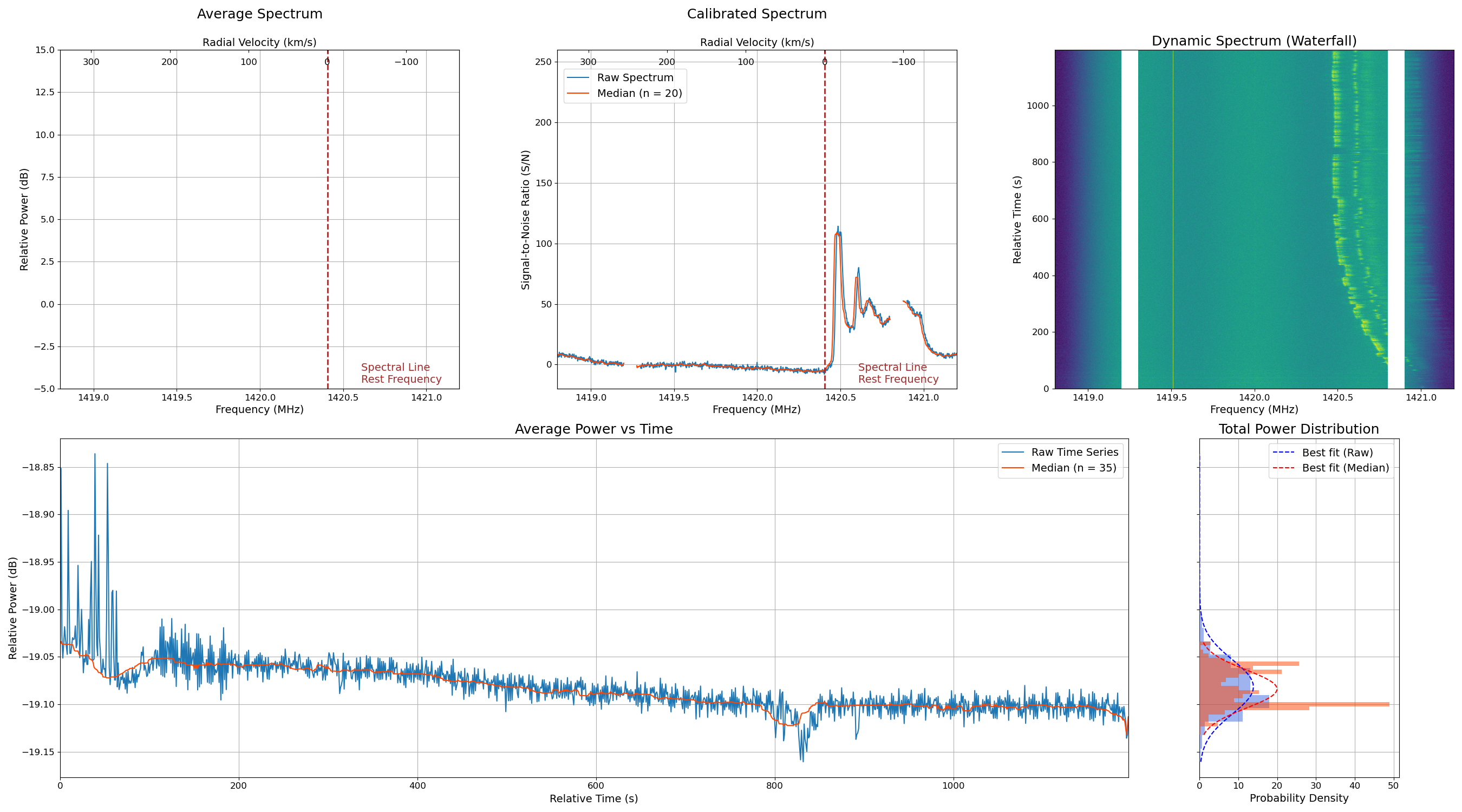
We see a clear peak as expected around the 1420 MHz line. Due to the doppler shift of light from the
rotation rate of the Milky Way galaxy, the peak is not located exactly at 1420 MHz.
I will continue this project by gathering more data to experimentally measure the
mass of the milky way galaxy.
Astrophotography
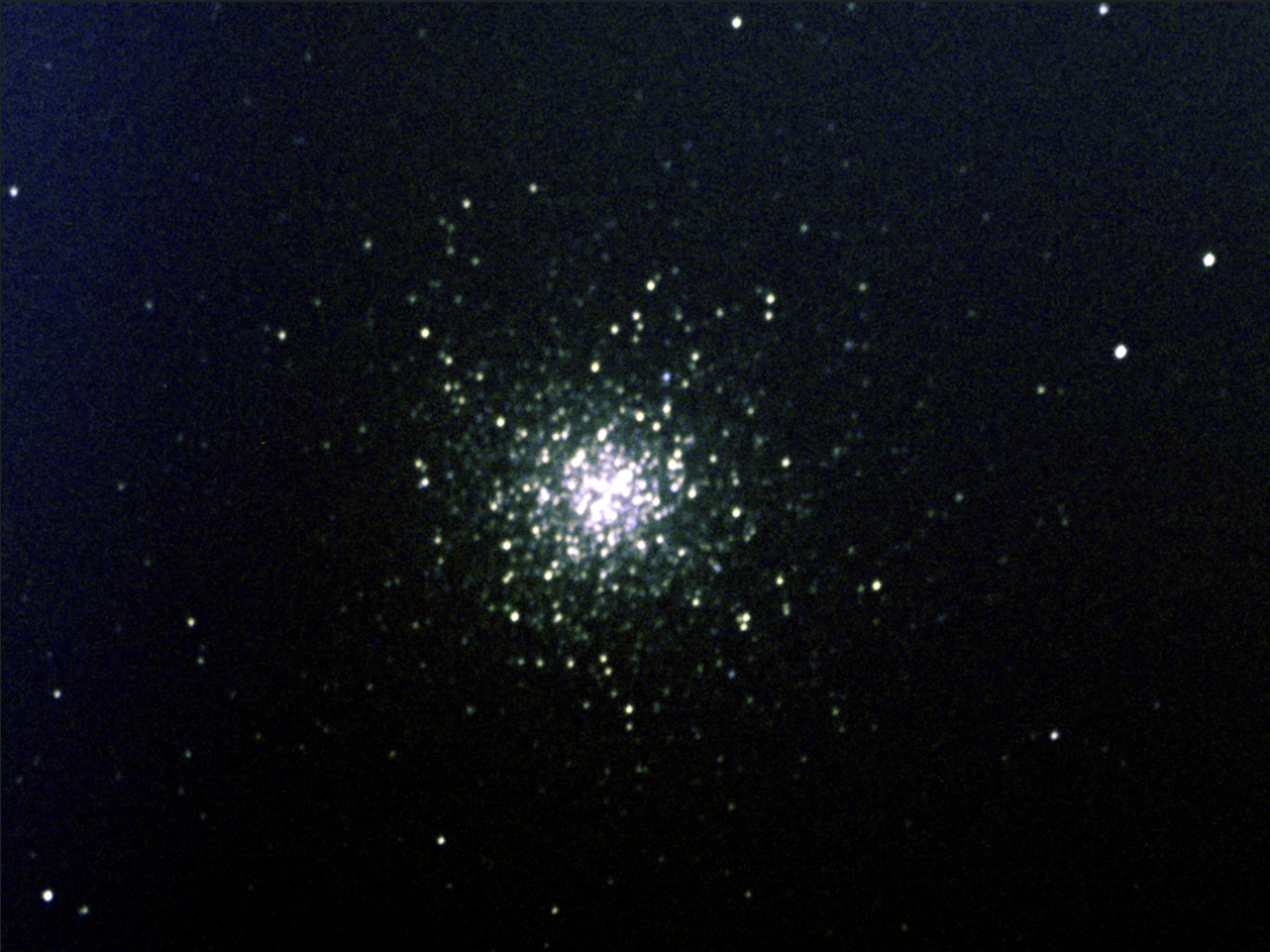
The Hercules Cluster M13
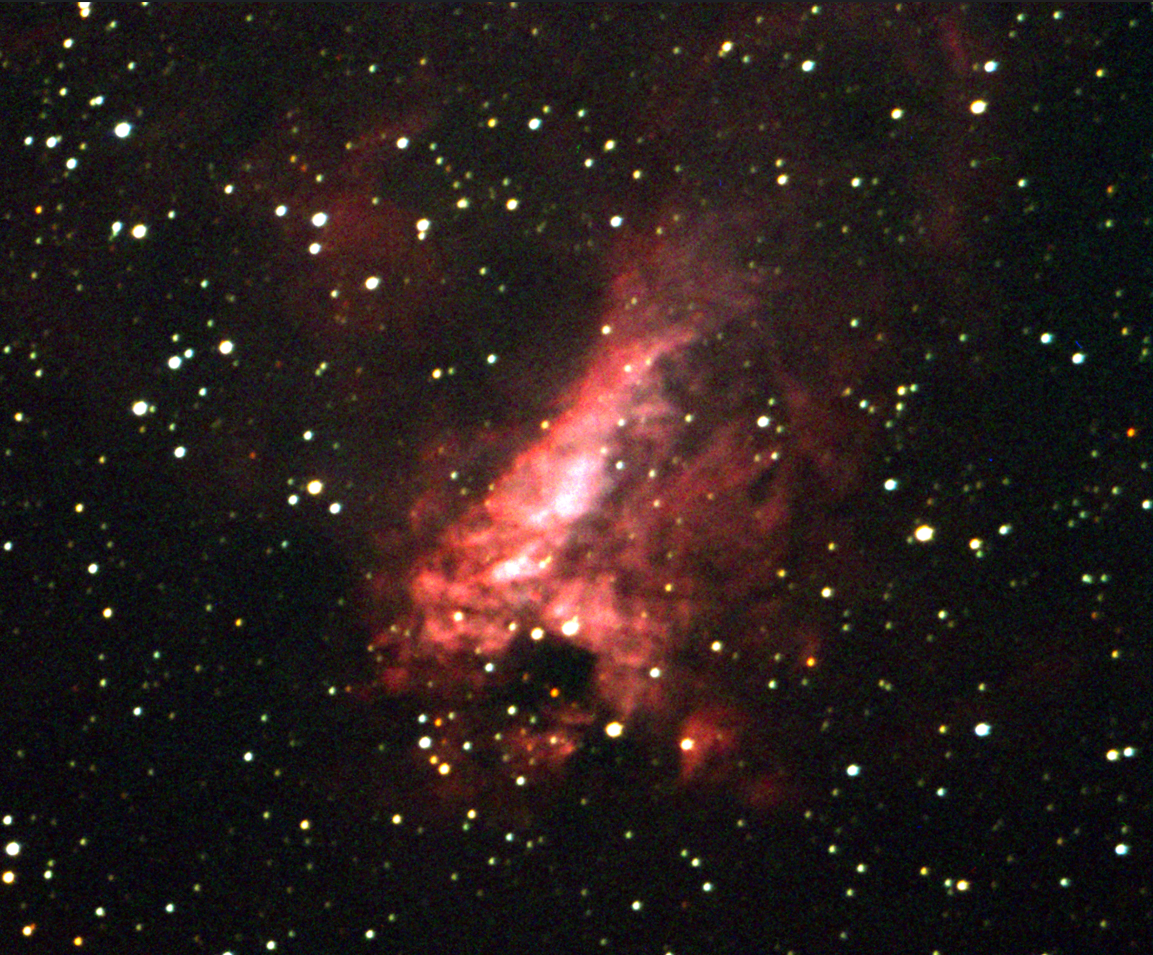
Swan Nebula M17
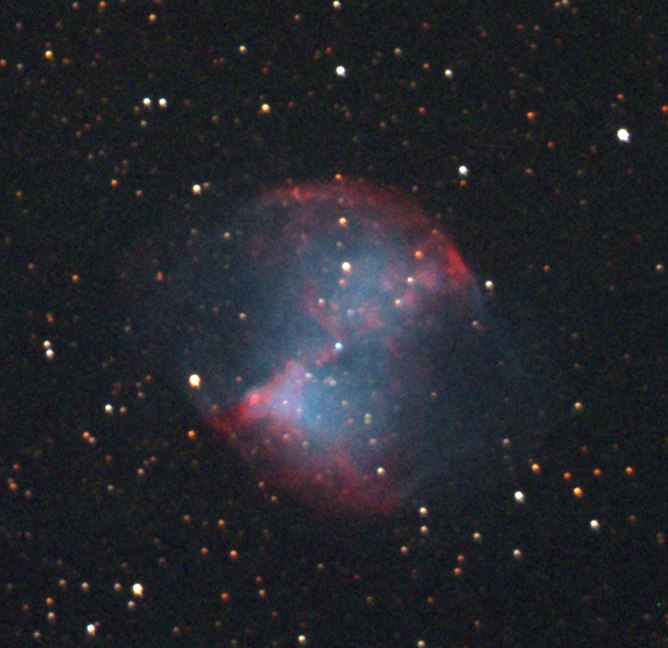
Dumbell Nebula M27
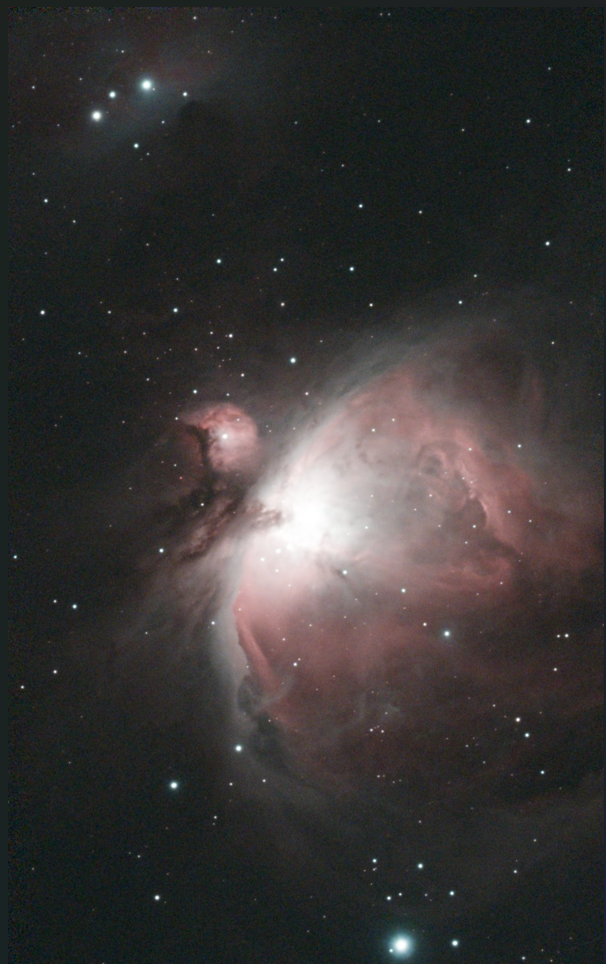
Orion Nebula M42
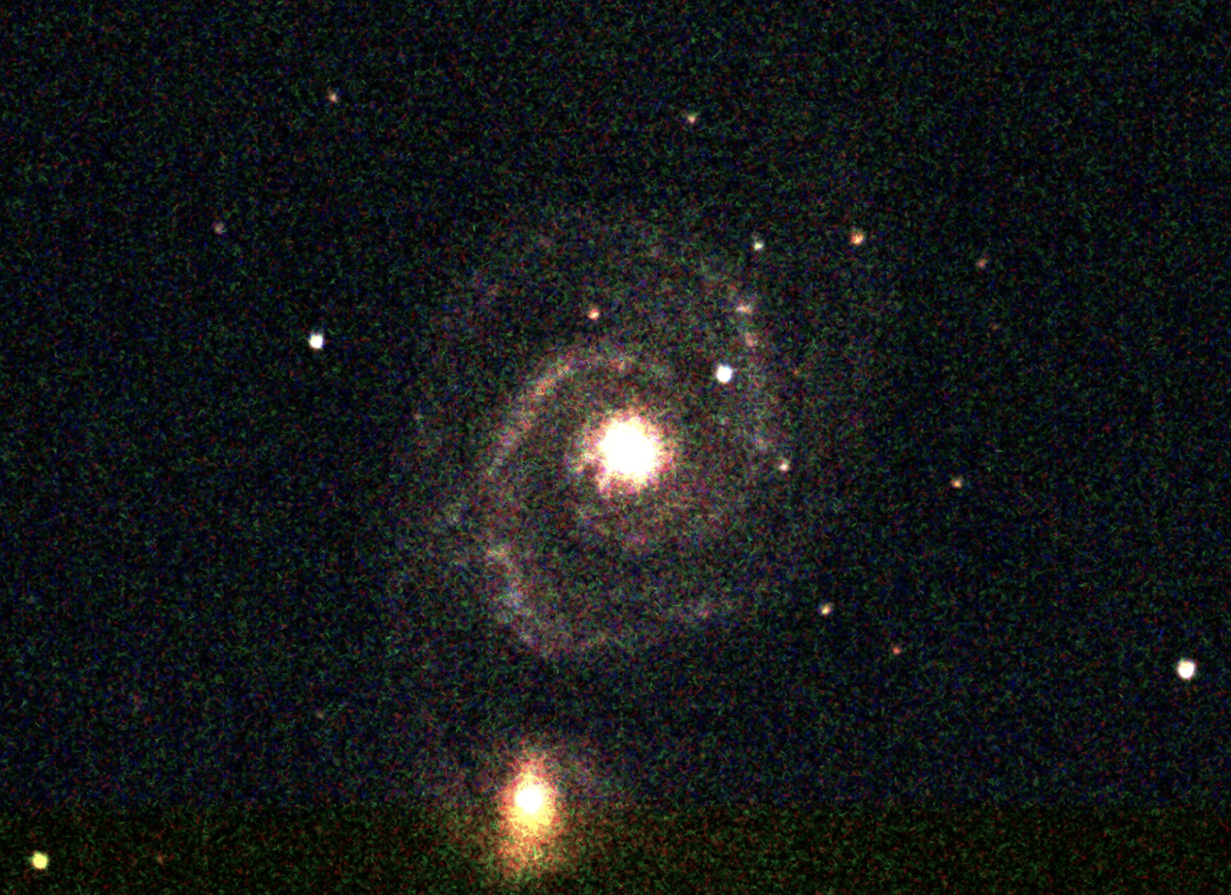
Whirpool Galaxy M51
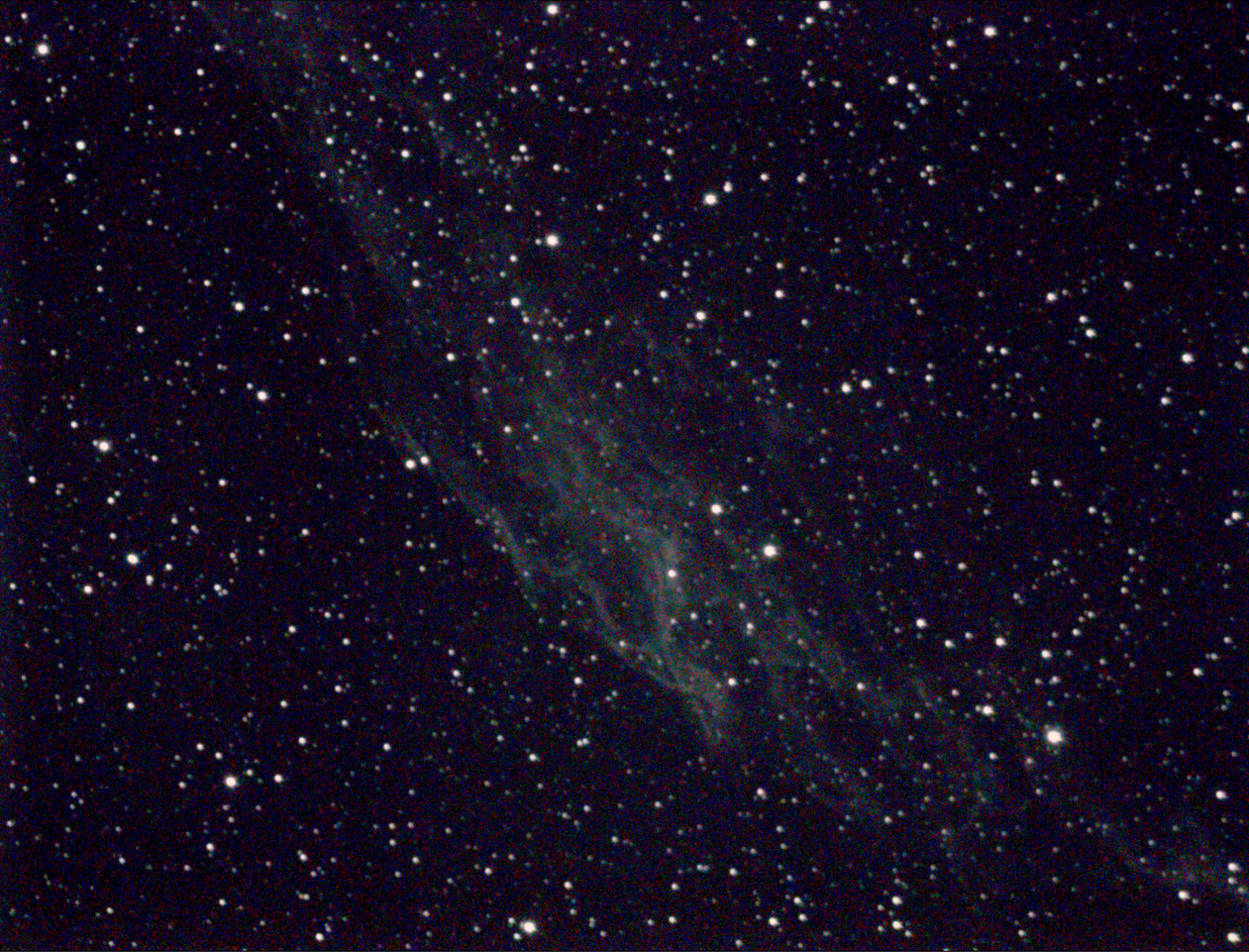
Veil Nebula
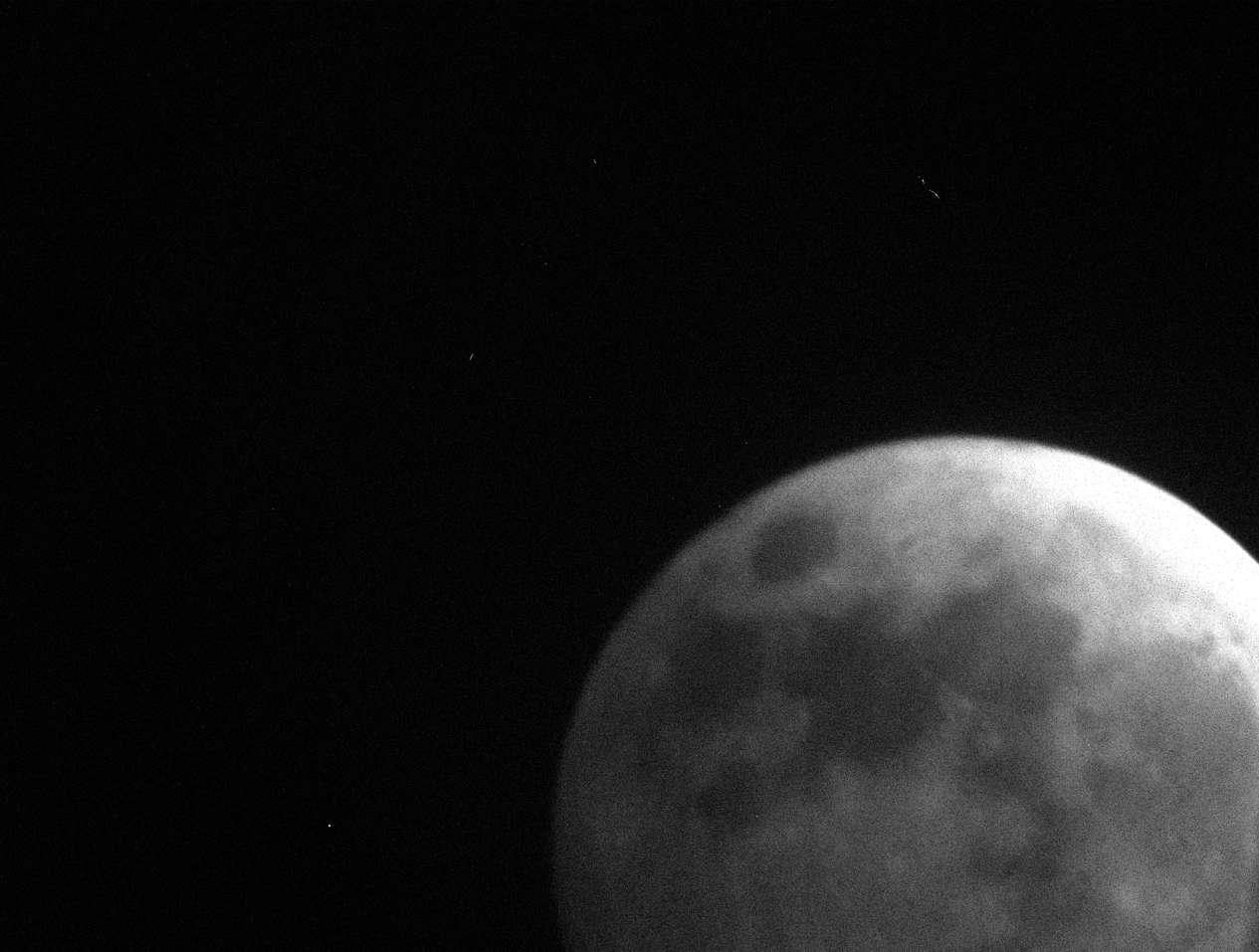
The Moon